Clay County Court present officially recorded details from local court cases, covering civil, criminal, family, and probate matters. These files explain how cases move through the judicial system and reflect real court activity. At the same time, Clay County Court Records support public court records Clay County residents rely on for verified legal facts. This information promotes legal transparency by showing filings, hearings, and final rulings in a clear format.
Clay County Court also serve as a trusted source for checking case progress and past outcomes. These records often list party names, case numbers, court dates, and decisions in one place. Public court records Clay County offices maintain help residents, legal teams, and researchers review court actions with confidence. As a result, Clay County Court Records strengthen public awareness and reinforce trust in the local judicial system.
What Is a Clay County Court Record?
Clay County Court Records are official judicial records created during court cases and legal proceedings. These records preserve court case information, filings, and decisions as part of the local judicial system.
Clay County Court Records refer to formal legal records produced when a case enters the county court system. These judicial records document each stage of a case, from the first filing through final judgment. Public court activity relies on these records to show how disputes, charges, and legal matters move forward in court. As a result, Clay County Court Records play a direct role in legal transparency and public awareness.
What Information Court Records Usually Contain
Clay County Court Records often include several types of case documents, such as:
- Party names and case numbers
- Case type, such as civil, criminal, or family
- Court filings like complaints, motions, and responses
- Hearing dates, judge assignments, and rulings
- Final outcomes, judgments, or sentencing details
Case Summaries vs. Full Case Files
A case summary offers a snapshot of court activity, listing key dates and outcomes. A full case file includes complete court filings, evidence references, and procedural history. Both serve different needs, depending on the level of detail required.
Who Uses Clay County Court Records
Clay County Court Records support a wide range of users, including:
- Citizens checking personal or local cases
- Attorneys preparing legal arguments
- Employers reviewing lawful background details
- Researchers studying court trends and decisions
How to Search Clay County Court Records Online
Clay County Court Records search lets users review court case information Clay County courts publish through official online systems. This search process helps locate case details by name, case number, or court category from one place.
Clay County Court Records search relies on the official county court portal that stores judicial records and docket data. The primary public-facing system is maintained by the Clerk of Court and reflects real-time court filings and updates. Users can visit the official website directly at:https://clayclerk.com/search-records/
Open the Official Court Records Search Page
Go to the official Clay County Clerk of Court site here:
https://clayclerk.com/search-records/
This is the primary tool for public court records, including civil, criminal, traffic, family, and probate filings. It’s run by the Clerk of Court, the official custodian of court records.
Select Your Search Method
Once on the search page, choose how you want to find records:
- Name Search – Enter the first and last name of a person involved in the case.
- Case Number Search – Enter the exact case number if available.
- Court Type Filter – Pick the part of the court system (civil, criminal, family, etc.).
- Date or Year Filter – Narrow results to a specific timeframe.
Enter Search Details
- If using Name Search, type last name first for best results.
- For Case Number Search, enter it exactly as it appears on documents.
- You may see suggestions as you type — use them if they match your search.
Review Search Results
After submitting your search:
- A list of matching cases appears.
- Each entry shows:
- Case number
- Parties involved
- Case type
- Filing date
- Court status
Open Case Details
Click a case from the list to see:
- Docket entries (official court activity log)
- Filed documents (when available online)
- Hearing dates and updates
- Court orders and dispositions
Download or Print Records
If the system allows:
- Save or print docket entries
- Print available case documents
- Note filing dates or status for your record
Types of Court Records Available in Clay County
Court filings and related case documents in Clay County, Florida, cover a wide range of legal matters. These records document all actions taken in the court system, from the initial filing to final resolution. They are maintained to ensure transparency, accuracy, and historical record-keeping for the judicial process.
Clay County court records include docket entries, motions, judgments, and court orders. Each type of record serves a unique purpose and provides detailed information about the case. Docket entries are chronological logs of all events, filings, and hearings in a case. They allow the public, attorneys, and researchers to track progress and understand how the court handled each step.
Civil Case Documents
Civil case filings typically include complaints, responses, motions, and final judgments. These records cover disputes such as contracts, property issues, personal injury claims, and landlord-tenant matters. Case documents for civil matters often provide detailed information on legal arguments, court decisions, and any awarded remedies or damages.
Criminal Case Records
Criminal court records in Clay County include court filings related to charges, arraignments, motions, hearings, and sentencing. Judgments and court orders indicate the outcome of the case, whether it is a conviction, dismissal, or acquittal. Criminal case documents are essential for attorneys, law enforcement, and sometimes employers conducting background checks.
Family and Probate Records
Family court records involve divorce petitions, child custody cases, adoption filings, and protective orders. Probate records cover wills, estate administration, and guardianship matters. These case documents detail motions, hearings, and final rulings issued by the court. Access to these records may vary depending on privacy laws, especially in sensitive cases.
Traffic and Other Specialized Court Records
Traffic violations, small claims, and municipal cases also generate official court filings. Each includes docket entries showing hearings, fines, and compliance requirements. These records are maintained to track legal obligations and demonstrate accountability within the court system.
By maintaining accurate and organized court filings and related case documents, Clay County courts provide the public with clear insights into judicial proceedings. Whether reviewing motions, judgments, or court orders, these records allow citizens, attorneys, and researchers to monitor legal outcomes effectively and ensure that the judicial system operates transparently.
Public Access to Court Records in Clay County
Public court records Clay County are available to the community under specific rules that ensure transparency while protecting sensitive information. These records provide insight into legal proceedings, including civil, criminal, family, and probate cases. Public access rules define what information can be viewed by anyone and what remains restricted for privacy or legal reasons.
Clay County follows state regulations similar to the Missouri Sunshine Law, which governs open records laws and emphasizes transparency in government and judicial processes. These laws allow citizens, journalists, attorneys, and researchers to review court case information while maintaining limits on confidential or sealed records. Public access ensures that the judicial system remains accountable and that the community can stay informed about local court activities.
How Public Access Works
Public court records in Florida are generally available through the Clerk of Court’s office or official online portals. These records include docket entries, case filings, judgments, and motions. Anyone can request to view or obtain copies of these records, provided they comply with the public access rules. Some sensitive records, such as juvenile cases, certain family matters, or sealed legal documents, remain restricted to protect privacy and comply with legal requirements
Access Restrictions and Guidelines
While most case information is accessible, Clay County enforces specific access restrictions to protect individuals’ rights and privacy. For example:
- Juvenile court files and adoption records are typically sealed.
- Certain financial or medical details in cases may be redacted.
- Ongoing investigations may have temporary access limitations.
Circuit Court Records in Clay County
Clay County Circuit Court records are official documents for serious legal matters, including felony cases, major civil disputes, family law, and probate. These records allow circuit case lookup and provide clear details on filings, hearings, motions, and judgments.
Key Types of Circuit Court Records
- Civil Case Files: Complaints, responses, motions, court orders, and final judgments.
- Family Law Records: Divorce, custody, adoption cases, and related motions.
- Criminal/Felony Records: Charges, indictments, trial details, plea agreements, and sentencing.
- Docket Entries: Chronological logs of all filings and hearings.
Accessing Circuit Court Records
- Use the official Clerk of Court website for online circuit case lookup.
- Search by case number, party name, or court type.
- Visit the clerk’s office for detailed case files or certified copies.
- Public access follows state rules; some records may be restricted for privacy.
Municipal Court Records in Clay County
Clay County municipal court records document cases handled in local city courts, primarily focusing on traffic violations, ordinance violations, and minor criminal matters. These records provide official details on filings, hearings, and rulings for cases managed at the municipal level, separate from circuit or county courts. They are an essential resource for citizens, attorneys, and researchers seeking accurate city court records.
Types of Municipal Court Records
Clay County municipal courts maintain records for a variety of cases, including:
- Traffic Cases: Speeding tickets, DUI offenses, parking violations, and other driving-related citations.
- Ordinance Violations: Local law infractions such as noise complaints, property code violations, and business licensing issues.
- Other Minor Offenses: Petty theft, public disturbance, and other low-level criminal matters handled by city courts.
Purpose and Use
These records serve several important purposes:
- Legal Reference: Attorneys and legal professionals use municipal court records to track case history and prepare for hearings.
- Public Awareness: Citizens can verify traffic or ordinance violations and understand the outcomes of local cases.
- Research and Background Checks: Employers, researchers, and organizations may review city court records for verification purposes.
Accessing Municipal Court Records
Many Clay County municipal court records are accessible online through the city’s official portals or via the Clerk of Court office. Users can perform searches by case number, party name, or type of violation. While most records are public, some may have access restrictions for privacy reasons.
By maintaining detailed and organized Clay County municipal court records, the city courts ensure transparency, accountability, and a clear record of local legal proceedings. These records provide a reliable way to track traffic cases, ordinance violations, and other minor legal matters efficiently.
Specialized Courts and Programs
Judicial records in Clay County include information from specialized courts and programs designed to handle specific legal issues with focused approaches. These courts aim to provide alternatives to traditional proceedings, often emphasizing rehabilitation, compliance, and tailored interventions. Examples include drug court records, veterans court, and other specialty court programs.
Drug Court
The Drug Court program in Clay County focuses on individuals charged with substance-related offenses. Drug court records document program enrollment, treatment progress, compliance hearings, and court orders. These records reflect the court’s efforts to reduce recidivism by combining legal supervision with treatment and support services.
Veterans Court
Veterans Court addresses cases involving military veterans who may face unique challenges, such as PTSD or substance abuse. Records from this court include enrollment details, treatment plans, and judicial decisions specific to the veteran’s participation in the program. This specialty court program helps veterans navigate legal challenges while receiving support tailored to their circumstances.
Other Specialty Court Programs
Clay County also operates other focused court programs, such as mental health courts or reentry programs for previously incarcerated individuals. Each maintains judicial records that track compliance, progress, and outcomes. These records provide transparency and allow the public and legal professionals to understand how alternative judicial approaches are implemented.
Role of the Circuit Clerk & County Clerk
Court filings and legal records in Clay County, Florida, are maintained and managed by the Circuit Clerk and County Clerk, who act as official custodians of court information. These officials ensure that all records custodian responsibilities are carried out efficiently, preserving the integrity, accuracy, and accessibility of official documentation for the public, attorneys, and the courts.
Circuit Clerk Responsibilities
The Circuit Clerk primarily manages records for the Clay County Circuit Court, which handles serious civil and criminal cases. Key duties include:
- Maintaining court filings such as complaints, motions, judgments, and orders.
- Managing case dockets and scheduling court hearings.
- Providing access to legal records for attorneys, researchers, and the public.
- Issuing certified copies of official court documents.
County Clerk Responsibilities
The County Clerk handles administrative functions and maintains records for lower courts, municipal filings, and public access requests. Responsibilities include:
- Recording official documentation for probate, marriage, and other county-level filings.
- Managing public access to legal records and court filings.
- Assisting citizens with searches and requests for certified copies of records.
- Serving as the primary records custodian for non-circuit court matters.
Importance of Their Role
Without the Circuit Clerk and County Clerk, maintaining organized, accurate, and accessible court records would be difficult. Their work ensures that every filing, judgment, and motion is properly documented and retrievable. This allows the public, legal professionals, and government entities to rely on accurate information, supporting fairness and accountability in the judicial process.
In-Person & Offline Access to Court Records
Public court records Clay County are accessible not only online but also through in-person and offline methods. Many residents, attorneys, and researchers prefer courthouse access or clerk office visits to obtain detailed record requests directly from official sources. This ensures they receive accurate, certified information for legal or personal use.
Accessing Records in Person
Individuals can visit the Clay County Clerk of Court office to review case files, court filings, and other public court records Clay County maintains. Staff members assist with locating case numbers, dockets, and filings. During clerk office visits, users can:
- View case documents and docket entries
- Request copies of filings, judgments, or motions
- Obtain certified copies for legal or administrative purposes
- Ask questions about record requests and applicable fees
Requesting Records Offline
In addition to visiting in person, Clay County allows record requests via mail or official forms submitted to the Clerk’s office. This process typically includes:
- Completing a request form with case details or party information
- Paying any associated copying or certification fees
- Receiving records by mail or picking them up at the Clerk’s office
Fees, Processing Time & Certified Copies
Accessing case documents in Clay County may involve fees, processing timelines, and certification requirements depending on the type of record requested. These measures ensure that court records are maintained properly while providing official, verifiable documentation to users.
Processing Timelines
Processing timelines for records depend on the method of request. Online or in-person requests for basic documents are typically completed the same day, while mailed or certified requests may take several business days. Complex cases or large document sets may require additional time for preparation and review.
Certified Copies
A certified copy of a case document includes a Clerk’s official seal, making it legally recognized for court filings, employment, or administrative purposes. Certification verifies that the document is a true and accurate reproduction of the original court record.
Fees for Copies
Clay County charges copy fees for reproducing case documents, including motions, judgments, and docket entries. Fees vary based on the number of pages and whether the document is requested as a standard copy or a certified copy. Certified copies carry an additional charge due to the official verification provided by the Clerk of Court.
| Category | Typical Fees |
|---|---|
| Photocopy of case documents | $1.00 per page |
| Certified copy of a document | $2.00 per document |
| Copies larger than standard size | $5.00 per page |
| Request via mail or office | Varies |
| Search or retrieval fee | Often no charge online |
| Recording & Indexing | $10.00 first page + $8.50 each additional |
Why People Search Clay County Court Records
People search court case information Clay County for a variety of practical and legal reasons. Accessing these records helps individuals, attorneys, and organizations obtain verified information about ongoing or past cases. Whether for personal, professional, or research purposes, these records provide transparency and clarity regarding local judicial proceedings.
Common Reasons for Searching
- Background Checks: Employers or landlords often review court case information Clay County to assess criminal or civil history.
- Legal Verification: Attorneys, law firms, and individuals use court records to confirm case details, rulings, and procedural history for legal proceedings.
- Case Tracking: Citizens involved in ongoing cases may check docket entries, motions, or court schedules to stay updated on progress and outcomes.
- Research Purposes: Researchers, journalists, and students may access records to study trends, legal precedents, or specific types of cases.
Benefits of Accessing Court Records
By reviewing court case information Clay County, users gain reliable and official details that cannot be found elsewhere. Public access ensures that legal processes remain transparent and accountable, allowing individuals and professionals to make informed decisions based on verified records.
Whether for background checks, legal verification, or case tracking, Clay County court records serve as a trusted source of information for anyone seeking accurate insight into local judicial activity.
Clay County Court System Overview
Clay County courts form the backbone of the county’s judicial system, handling a wide range of legal matters from minor disputes to serious felony cases. The system is structured to ensure fair hearings, timely resolution of cases, and proper documentation of all judicial activities. Understanding the judicial structure and court divisions helps citizens, attorneys, and researchers navigate Clay County’s legal landscape effectively.
Judicial Structure of Clay County
The Clay County courts operate under a hierarchical framework that divides responsibilities among several court levels. At the base are municipal and county courts, which handle minor offenses, traffic violations, and ordinance cases. Above them, the circuit courts serve as the primary trial courts, dealing with serious criminal offenses, significant civil disputes, family law matters, and probate cases. Each level has clearly defined jurisdiction and authority, ensuring that cases are directed to the appropriate court for resolution.
Court Divisions
Clay County has multiple court divisions, each specializing in specific types of cases:
Role and Function
- Circuit Court: Handles felony criminal cases, major civil disputes, family law matters, and probate. Maintains detailed case files and trial court records.
- County Court: Manages misdemeanor cases, traffic infractions, and civil claims of lower value. Focuses on quick resolution and efficient case processing.
- Municipal Court: Oversees city ordinance violations, minor criminal matters, and traffic cases within municipal boundaries.
The Clay County courts ensure that justice is delivered in a fair, transparent, and organized manner. Judges preside over hearings, rulings are documented, and court clerks manage official case filings and public access to records. The system also includes specialized programs, such as drug courts and veterans courts, to address unique circumstances through rehabilitation and alternative sentencing programs.
Public Access and Accountability
Through clear judicial structure and well-organized court divisions, Clay County courts maintain transparency and public trust. Citizens can access case information, track proceedings, and obtain certified documents as needed. This structure allows attorneys, researchers, and residents to interact with the system efficiently and ensures that all legal matters receive appropriate attention.
History of the Clay County Court System
Clay County courts in Florida have a rich history that reflects the growth and development of the county’s judicial system over time. From their early formation to modern administration, these courts have evolved to meet the legal needs of citizens while maintaining order, fairness, and accountability. Understanding this courthouse history provides valuable context for legal professionals, researchers, and residents alike.
Early Formation
The Clay County court system was established shortly after the county’s founding in the early 19th century. Initially, court sessions were held in modest structures or even private homes, reflecting the county’s small population and limited resources. These early courts handled basic civil and criminal matters, laying the foundation for a more organized judicial system.
Evolution of Courthouses
Over time, Clay County constructed dedicated courthouses to accommodate growing caseloads and administrative needs. Each new courthouse reflected advancements in judicial development, offering more space, improved record storage, and facilities for public access. Architectural designs often symbolized the authority and permanence of the courts within the community. These historic buildings also served as hubs for civic engagement and local governance.
Key Historical Milestones
Several milestones shaped the Clay County courts into a modern judicial system:
- Expansion of circuit and county court divisions to handle specialized case types.
- Introduction of official record-keeping practices for transparency and public trust.
- Development of municipal courts to address city ordinance violations and minor offenses.
- Establishment of specialized programs, such as drug courts and veterans courts, reflecting modern judicial innovation.
Transition to Modern Administration
Today, Clay County courts operate under a structured system with dedicated divisions, digital case management, and public access portals. Modern facilities, combined with historical records, ensure that both past and current judicial activities are well-documented.
Importance of Historical Records
Historical Clay County courts records are invaluable for legal research, genealogy, and academic study. They provide insights into case trends, judicial decisions, and the evolution of local law. By preserving these records, the county maintains a link between its past and present judicial practices, supporting transparency, accountability, and community trust.
Location
Here are the accurate locations and addresses for major Clay County courts and record offices, including municipal court sites and federal jurisdiction points. These are places where court hearings occur and public court records Clay County are maintained or accessed.
Clay County Courthouse & Main Judicial Offices
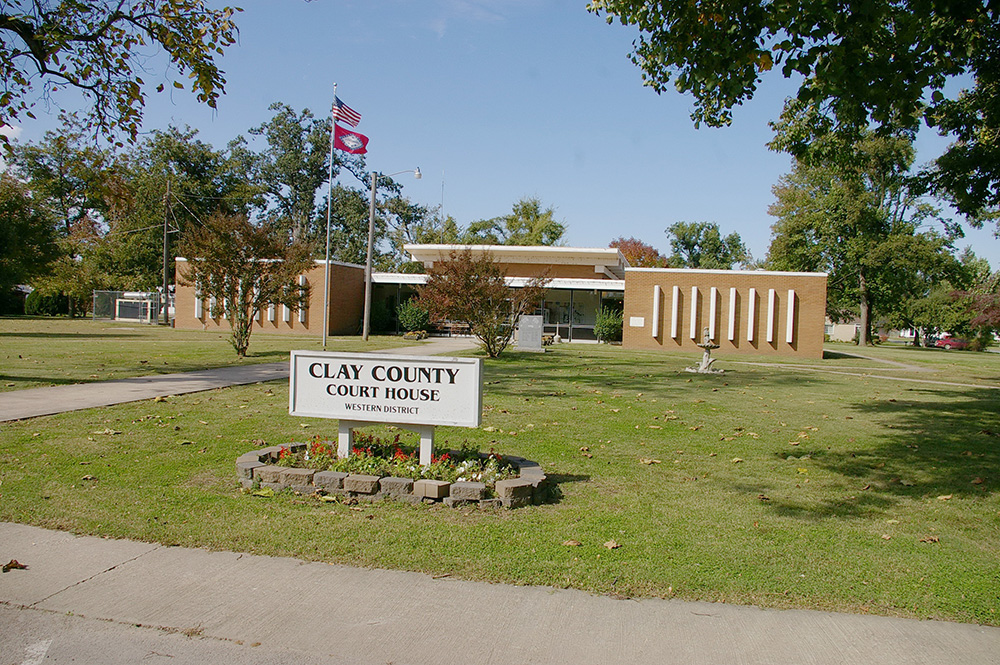
Clay County Courthouse
11 S Water St, Liberty, MO 64068
- Main facility for Clay County courts and circuit case filings
- Houses the circuit courtrooms, clerk’s offices, and public access counters for records requests
Clay County Circuit Clerk (Inside the same building)
11 S Water St, Liberty, MO 64068
Specialized & Support Court Facilities
Clay County Family Court
351 E Kansas St, Liberty, MO 6406
Municipal Court
| Municipal Court | Address | Official Website / Source |
|---|---|---|
| Liberty Municipal Court | 101 E Kansas St, Liberty, MO 64068 | libertymissouri.gov |
| Gladstone Municipal Court | 7010 N Holmes St, Gladstone, MO 64118 | Clay County Court |
| Claycomo Municipal Court | 115 E Highway 69, Claycomo, MO 64119 | missouri.staterecords.org |
| Excelsior Springs Municipal Division | 301 S Main St, Excelsior Springs, MO 64024 | Clay County Court |
| Kearney Municipal Court | 100 E Washington St, Kearney, MO 64060 | Clay County Court |
| North Kansas City Municipal Court | 2010 Howell St, North Kansas City, MO 64116 | Clay County Court |
| Pleasant Valley Municipal Court | 6502 Royal St, Pleasant Valley, MO 64068 | Clay County Court |
| Oakview Municipal Court | 6404 N Locust St, Oakview, MO 64118 | Clay County Court |
Federal Court Jurisdiction
United States District Court – Western District of Missouri
Charles Evans Whittaker U.S. Courthouse
400 E. 9th Street, Kansas City, MO 64106
Phone: (816) 512‑5000
Office Hours & Access Tips
- Most Clerk offices and courtrooms are open Monday–Friday, 8:00 AM to 5:00 PM.
- For public record requests, certified copies, or courthouse access, visiting the Clerk’s office at the Clay County Courthouse in Liberty is often required.
Frequently Asked Question
Clay County Court Records provide valuable information for residents, legal professionals, and researchers. Many people have common questions regarding access, usage, and the details contained in these records. This FAQ section addresses these queries to provide clear guidance for record access help, court record FAQs, and case lookup questions.
What Are Clay County Court Records?
Clay County Court Records are official documents maintained by the Clerk of Court and the county’s judicial system. They include case filings, motions, judgments, docket entries, and other legal records generated by circuit, municipal, and county courts. These records document the history and outcome of legal proceedings in the county, providing a reliable reference for anyone needing verified case information.
Who Can Access These Records?
Most Clay County Court Records are available to the public. Citizens, attorneys, researchers, and other authorized parties can request access in person at the Clerk’s office, online via official portals, or through mailed requests. Certain sensitive records, such as juvenile cases or sealed family law documents, may have restricted access to protect privacy, ensuring that confidential information is handled appropriately.
How Can I Search Clay County Court Records?
Searching court records Clay County can be done through several methods. Online portals on the official Clerk of Court website allow users to search by case number, party name, or court type. In-person visits to the Clerk’s office at the courthouse or municipal court provide access to physical records and allow users to request certified copies. Mail requests are also accepted, enabling individuals to obtain records remotely. Knowing the type of court and approximate filing date helps improve the accuracy of searches.
What Information Do Court Records Contain?
Clay County Court Records typically include case numbers and types, names of parties involved, filing dates, court schedules, motions, orders, and judgments. Docket entries show the progression of each case, and some records may also include exhibits or supporting documents filed during the proceedings. This comprehensive information ensures users have a clear understanding of the case history.
Can I Obtain Certified Copies?
Certified copies are available for most Clay County Court Records. These copies include the Clerk’s official seal, making them legally recognized for court filings, employment verification, or administrative purposes. Fees apply depending on the number of pages and whether the document is standard or oversized, providing an official, verified record.
Are There Any Fees for Accessing Records?
Fees for accessing court records vary based on the type of document and method of access. Standard copies generally cost $1 per page, certified copies include an additional $2 per document, and oversized documents may cost $5 per page. Online searches are usually free, but printed or certified copies incur charges. Users should verify current rates on the official Clay County Clerk of Court website to ensure accurate information.
How Often Are Records Updated?
Court records are updated regularly as new filings, motions, hearings, and judgments are entered. Online portals usually reflect the most recent activity, while in-person or certified copies provide the latest official documentation. This ensures that users can rely on accurate and up-to-date information.
Why Do People Access Clay County Court Records?
People access Clay County Court Records for legal research, case preparation, background checks, personal verification of case outcomes, and academic or journalistic research. Accessing accurate records promotes transparency, accountability, and trust in the judicial system.